
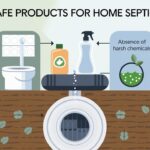
If you live in a rural or cottage area without access to a municipal sewage system, a septic-safe wastewater treatment system isn’t just a sustainable choice—it’s often the only option. But owning a septic system means being more mindful of what goes down your drains, especially when it comes to cleaning products.
In this guide, we’ll walk you through how septic systems work, why it matters what you use to clean, and which products support the health of both your system and the environment.
💧 What Is a Septic System?
If you’ve grown up in the city, you may not be familiar with septic systems. These are independent wastewater treatment systems used by homes that aren’t connected to centralized sewer lines.
Here’s how they work:
Wastewater from your home flows into a septic tank, where natural bacteria break down solids.
Liquid wastewater exits into a drain field, where layers of soil and rock filter and purify the water before it returns to the groundwater supply.
Because this process relies on beneficial bacteria and a natural filtration cycle, what you pour down the drain matters more than you might think.
🌱 Why Choose a Septic System?
Septic systems offer a number of benefits:
Cost-effective: Once installed, they require no monthly sewer bill.
Low-energy: Operate without external power.
Long-lasting: With proper care, can last for decades.
Eco-friendly: Support local soil ecology and reduce wastewater pollution.
However, introducing harsh chemicals can disrupt this delicate balance—killing the bacteria inside your tank and potentially contaminating nearby ecosystems.
⚠️ Products That Harm Septic Systems
Avoid using or pouring the following items into your drains:
🚫 Household Hazards:
Water softeners – Can alter bacteria balance and cause overloading.
Oil, gasoline, paint thinners, solvents – Extremely toxic and polluting.
Cooking grease – Solidifies in pipes and tanks.
Bath oils – Can clog drain fields and coat waste materials.
Kitty litter (especially clay-based) – Non-biodegradable and pipe-clogging.
🚫 Problematic Cleaners:
Antibacterial sprays & disinfectants – Kill the good bacteria your tank needs.
Chlorine bleach – Toxic to aquatic life and harmful to septic bacteria.
Chemical drain cleaners – Corrosive and lethal to septic bacteria.
Products with methylisothiazolinone – Toxic preservative harmful to waterways.
✅ Septic-Safe Cleaning Alternatives
Switching to natural, biodegradable, and non-toxic cleaners protects your septic system and the environment. Look for products that say “Septic Safe” on the label or use common household alternatives.
🧼 Recommended Natural Cleaners:
White vinegar – Deodorizes, cuts through grime.
Baking soda – Gently scrubs and neutralizes odors.
Borax – Disinfectant power for surfaces.
Lemon juice – Natural degreaser and freshener.
Salt – Mild abrasive and deodorizer.
🚽 Safe Bathroom & Toilet Cleaners
Bathrooms often get the harshest cleaners—but they don’t need to.
Try These Septic-Friendly Options:
White vinegar – Breaks down soap scum and hard water stains.
Baking soda – Scours toilets and sinks.
Borax + water – A powerful natural disinfectant.
Toilet Tip: Avoid bleach-based toilet cleaners. Instead, pour baking soda into the bowl and let sit overnight, or try a cup of vinegar followed by scrubbing.
👕 Laundry & Dish Products: What to Watch
Your daily-use products like laundry detergent and dish soap have a huge impact on your septic system over time.
Use:
HE-compatible, natural detergents that are biodegradable
Unscented or lightly scented with essential oils
Septic-safe dishwashing pods or liquids free from phosphates, bleach, and dyes
🔍 What Makes a Product Septic Safe?
Look for:
100% biodegradable ingredients
Non-toxic and phosphate-free
Third-party certifications like Ecocert or the Environmental Working Group (EWG)
Labels that clearly state “Septic Safe”
You can also check the EWG Healthy Cleaning Guide to find verified low-toxicity cleaning products.
🧽 Septic-Safe Cleaning: Final Thoughts
Your septic system is more than just a waste solution—it’s part of your local environment. Using the wrong products can harm not just your tank, but your groundwater and community ecosystem.
Stick with:
Natural cleaners
Clearly labeled “Septic Safe” products
Eco-conscious habits, like avoiding unnecessary chemicals
Even if you’re on municipal sewer today, adopting septic-safe habits helps reduce your household’s impact on the environment.